How have your political views changed over time?
As an Irishman, I’ve always felt a strong connection to the shared history and cultural identity of the Celtic peoples. From Ireland to Scotland, Wales, Brittany, Cornwall, and Galicia, we are bound by our roots—our languages, traditions, and a deep love of the land. But as much as we share culturally, our political views are shaped by our histories and circumstances. Still, certain themes resonate across Celtic nations, and as someone from Ireland, I see these common threads vividly in our collective experience.
One of the strongest political currents running through Celtic nations is the desire for self-determination. Ireland’s fight for independence from British rule defined much of our modern history. Though we achieved freedom for most of the island, Northern Ireland remains part of the United Kingdom, and the question of Irish reunification is as alive as ever. This yearning for autonomy isn’t unique to us. In Scotland, there’s a strong push for independence, especially after Brexit, which most Scots opposed. Similarly, in Wales, Plaid Cymru advocates for more autonomy, and in Brittany and Galicia, there are calls for greater regional control over their futures. These movements show how deeply the idea of governing ourselves resonates among Celtic peoples.
Preserving our languages and cultures is another political issue close to my heart. In Ireland, the Irish language—Gaeilge—is a core part of who we are, but it’s also a struggle to keep it alive in daily life. Similar challenges exist in Scotland with Gaelic, in Wales with Cymraeg, and in Brittany with Breton. Across all Celtic nations, there’s a fight to ensure these languages are taught in schools, used in public life, and passed on to future generations. It’s about more than words; it’s about preserving a worldview that’s uniquely ours.
Many Celtic nations also share progressive values, which I find both inspiring and grounding. Ireland has changed dramatically in recent years, embracing same-sex marriage and reproductive rights, showing how our society has become more inclusive and forward-thinking. Scotland mirrors this progressiveness, championing social welfare and environmental policies. These values reflect our communal spirit—a belief in looking after one another and the world we inhabit.
Speaking of the environment, Celtic peoples have always felt a deep connection to nature. In Ireland, our green landscapes are part of our identity, and this connection fuels a sense of responsibility to protect them. Scotland, for example, is a leader in renewable energy, and there’s growing awareness across Celtic nations of the need for sustainable practices in farming, fishing, and tourism. Protecting the land isn’t just practical; it’s cultural.
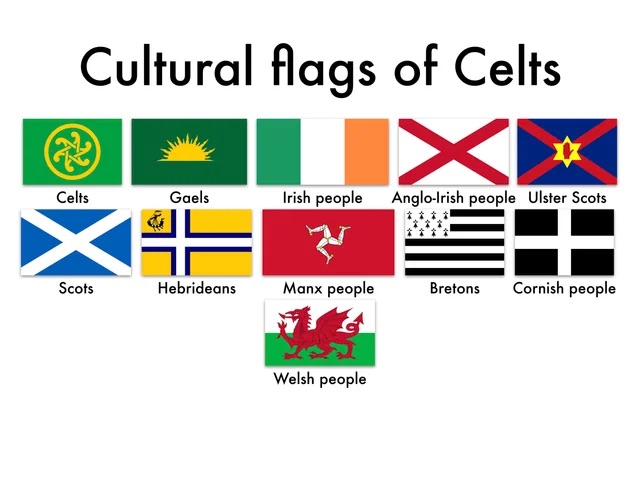
Decentralization is another theme that runs through Celtic politics. We understand that decisions about our lives are best made closer to home. In Ireland, we’ve seen the benefits of self-governance, but I also admire the devolved governments in Scotland and Wales. Even in places like Brittany and Galicia, where independence movements aren’t as strong, there’s still a push for more local control. It’s about making sure our unique needs and identities aren’t overlooked by larger, centralized governments.
Lastly, I think Celtic peoples share a sense of solidarity with others who’ve faced similar struggles. Ireland, for example, has a long history of supporting anti-colonial movements around the world, a reflection of our own fight for freedom. Similarly, there’s a bond between Celtic regions and other minority cultures in Europe, like the Basques and Catalans, who are also seeking recognition and autonomy.
In all of this, what stands out most to me is the balance Celtic peoples strive to maintain between tradition and progress. We carry a deep pride in who we are and where we’ve come from, but we’re not stuck in the past. We’re shaping futures that honor our heritage while embracing modern values. As an Irishman, I see these shared political perspectives as a testament to the resilience and spirit of the Celtic peoples. Together, we keep our cultures alive, fight for our voices to be heard, and remain connected to the land and one another. It’s a legacy I’m proud to be part of.
 Pan Celtic Cuisine