Featured

Unveiling the Essentials: 10 Key Aspects of Celtic Cuisine

List 10 things you know to be absolutely certain.

  1. Celtic cuisine is deeply rooted in the rich cultural and historical traditions of the Celtic nations, such as Ireland, Scotland, Wales, Cornwall, and Brittany.
  2. Celtic cuisine emphasizes the use of fresh, seasonal, and locally sourced ingredients, often highlighting the bounties of the land and sea.
  3. Potatoes, root vegetables, grains, and wild game are common staples in Celtic cuisine, reflecting the availability of these ingredients in the Celtic regions.
  4. Traditional Celtic dishes often incorporate hearty stews, soups, and baked goods, showcasing a preference for comforting and nourishing meals.
  5. Celtic cooking methods include open-fire cooking, boiling in large cauldrons, roasting on spits, and baking in clay ovens, which infuse dishes with distinct flavors and aromas.
  6. Whiskey and beer are prominent beverages in Celtic culture, with whiskey being celebrated as one of Ireland and Scotland’s renowned contributions to the culinary world.
  7. Celtic cuisine is characterized by its strong ties to cultural celebrations and festivals, with certain dishes and culinary traditions specific to each occasion.
  8. Celtic culinary heritage showcases regional variations within each Celtic nation, offering a diverse array of flavors and specialties.
  9. The Celts had a profound connection with nature, and their cuisine reflects their respect for the environment and the importance of sustainability in food production.
  10. Today, Celtic cuisine continues to evolve, with modern chefs incorporating traditional elements while infusing new creative twists and influences from global culinary trends.

Chef Mac’s Family top 3

What are your family’s top 3 favorite meals?

The meals that bring my family together is one of the simplest yet most meaningful traditions we have. In Celtic culture, food is more than nourishment it is a link to our land, our heritage, and the people we love. In my home, three dishes stand above the rest, each one carrying its own memories, comforts, and stories. Here are our top three favourite meals, counted down from a cherished Sunday tradition to the slow cooked favourite that wins our hearts every time.

3. Sunday Roast Dinner

Nothing says family quite like a traditional Sunday roast dinner. Whether it is roast beef, lamb, or chicken, we gather around to share perfectly roasted potatoes, seasonal greens, a jug of rich gravy, and, if we are feeling indulgent, a few Yorkshire puddings. It is not just a meal it is a ritual, a weekly act of gratitude and connection that roots us in our own story, just as our Celtic ancestors rooted themselves in theirs.

2. Chicken Pie

Our cherished chicken pie comes in second, a dish that never fails to warm both heart and home. Tender chicken, leeks, peas, and carrots rest in a softly creamy sauce, topped with flaky pastry that crisps to a warm, buttery finish. It reminds me of slow Sunday afternoons, shared laughter, and the quiet pleasure of cracking open that golden crust to reveal the comforting, velvety centre beneath.

1. Sausage and Onion Slow Cooker Recipe

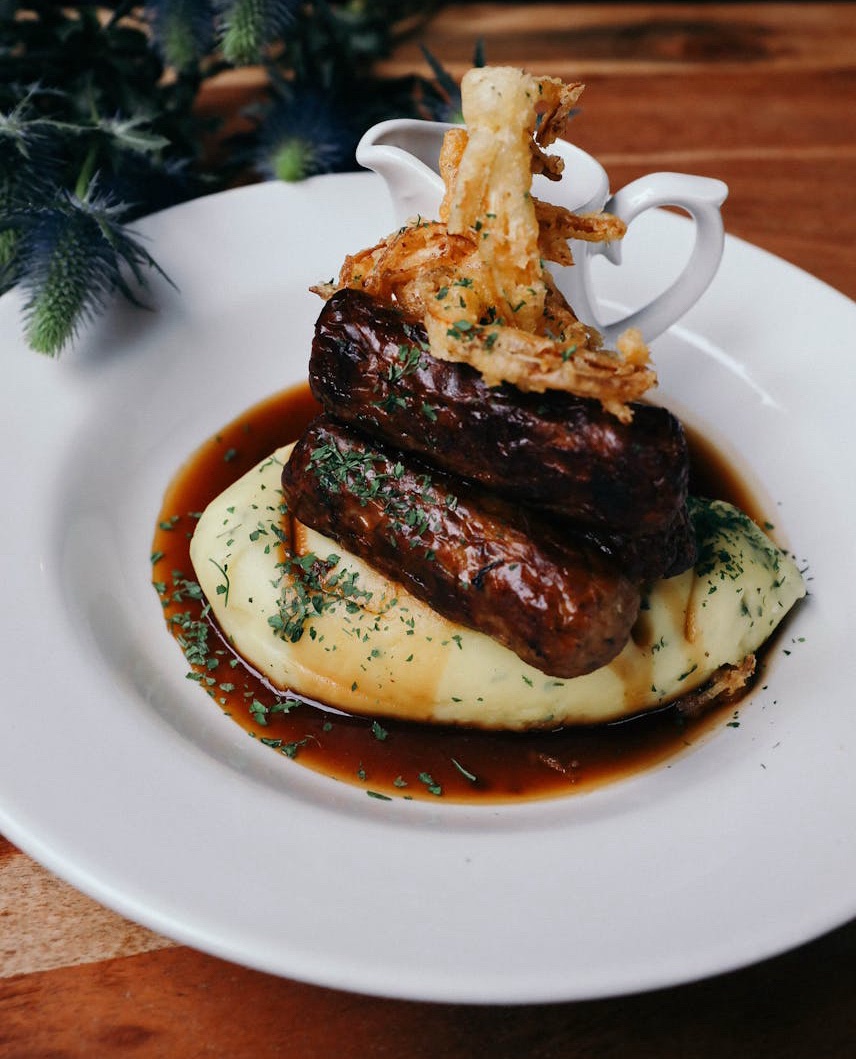
Taking the top spot is my slow cooker sausage and onion stew, humble and unpretentious yet rich and soothing in every spoonful. I let the sausages simmer for hours with sweet golden onions, a few sprigs of thyme, and a hearty splash of stock until the meat is tender and the onions melt into a silky gravy. Served over creamy mashed potatoes or with crusty soda bread, it connects me to the gentle slow cooked dishes that have warmed Celtic hearths for generations.

These meals are more than recipes as I often say they are a living part of my family’s story. They remind me of shared moments, warm kitchens, and the joy of gathering together. Just as Celtic traditions have passed through generations, these dishes continue to bring comfort, connection, and a true taste of home to our table.

Back in black….berries

Blackberries are starting to darken on the brambles again and that means the end of summer is near. There is something about seeing those deep purple clusters hiding among the leaves that stirs a feeling in me that is both joy and nostalgia. For me the blackberry season has always been more than just a harvest. It is a reminder of long walks along country lanes, scratched fingers from reaching too far into the hedge, and the sweet burst of flavour when you pop one straight into your mouth.

In the Celtic world blackberries have their place in tradition. They grow wild in all of our nations and for generations they were gathered by hand and turned into jams, tarts, wines and cordials. My grandmother always said the best berries were the ones picked in early September when they were fat with the last warmth of the sun. There is an old belief that after a certain date in autumn the berries are no longer good to eat because the fae or the devil has claimed them. Whether or not you believe it there is something magical in treating the season as fleeting and precious.


Blackberries fresh from the bramble

I like to use blackberries in both sweet and savoury cooking. A handful stirred through oatmeal gives a sharp burst to a comforting breakfast. A blackberry and cider glaze works beautifully on roast pork. For the pop up kitchen this year I am working on a blackberry and smoked sea salt sauce to drizzle over a bannock slider. That balance of sharp fruit and savoury richness feels true to the land we come from.

So as the hedgerows start to darken I will be out there gathering the first of the crop knowing that each berry carries a piece of our history and a taste of home.

One for sorrow, two for joy

Are you superstitious?

Are you superstitious? As a Celtic person, it is hard not to be. Superstition runs deep in our culture, passed down through generations like an old family recipe. Some may laugh them off, but even those who say they do not believe will still nod to a magpie or avoid walking under a ladder. It is woven into who we are.

Magpies are one of the best-known symbols of Celtic superstition. The rhyme one for sorrow, two for joy is something most of us have heard since childhood. If you see a lone magpie, it is said to bring bad luck unless you greet it with respect. A simple nod or a good morning, Mr. Magpie is enough to keep misfortune at bay. Some take it further by saluting or even looking around for a second bird to break the spell of sorrow.

But magpies are not the only sign of luck or misfortune in Celtic tradition. A horseshoe hung over a doorway is believed to protect a home, but only if the ends point upwards to hold the luck inside. A broken mirror means seven years of bad luck, and spilling salt without throwing a pinch over your left shoulder is a sure way to invite trouble. Even the way we stir a pot matters always clockwise, never widdershins, or else risk bringing misfortune to the meal.

Do I believe in all of these? Maybe not completely, but I still find myself following them out of habit. Superstitions connect us to our ancestors, to the land, and to each other. They are part of our shared history. Whether they bring real luck or not, they remind us of where we come from and that in itself is something special.

Chef Life: Three Kitchen Tools I’d Guard with My Life (And My Apron)

What are three objects you couldn’t live without?

As a chef interested in Celtic cuisine, three objects I couldn’t live without are my cast-iron pot, my whetstone, and my apron. Each of these is essential to my craft and connects me to the traditions of Celtic cooking.

My cast-iron pot is the soul of my kitchen. Just like the ancient Celtic cauldrons, it brings out deep, rich flavors through slow cooking. Whether I’m simmering a hearty stew or searing fresh fish, this pot is built to last, passing down the essence of every dish from one meal to the next. It’s a symbol of patience, tradition, and the warmth of home-cooked food.

My whetstone is just as important. A sharp knife is a chef’s best tool, and keeping it in top condition is a ritual in itself. The Celts valued their blades, whether for hunting, preparing food, or craftsmanship. Honing my knives on a whetstone connects me to that legacy, ensuring precision in my work and respect for every ingredient I prepare.

Lastly, my apron is more than just protection from spills—it’s a badge of honor. It carries the marks of flour from fresh-baked soda bread, the scent of wild herbs, and the stains of long-simmered broths. It represents the hard work and passion that go into every meal. A well-worn apron tells a story, just like the dishes I create.

These three objects define my approach to Celtic cooking. They remind me that food is more than just sustenance—it’s history, culture, and craftsmanship. With my cast-iron pot, whetstone, and apron, I carry forward the traditions of my ancestors while creating something new for the future.

Leisure time – Pan Celtic style

What do you enjoy doing most in your leisure time?

In my leisure time, I find the most joy in activities that celebrate and promote Celtic culture. For me, this means immersing myself in the traditions of the Celtic nations while also finding ways to share their beauty with others.

One of my favorite pastimes is exploring Celtic music. Whether it’s the haunting melodies of the uilleann pipes, the lively tunes of the fiddle, or the rhythmic heartbeat of the bodhrán, there’s something deeply moving about these sounds. I love attending ceilidhs and traditional music sessions, where the atmosphere is electric with storytelling through song. Sometimes, I even pick up my own instrument to join in ( however I must declare I am really new and terrible) , it’s away to be connected.

Another passion of mine is delving into Celtic art and craftsmanship. From intricate knotwork designs to vibrant tapestries and carvings, these artistic expressions are a gateway into the soul of the Celtic people. In my free time, I enjoy trying my hand at creating simple Celtic-inspired designs, whether through drawing, woodwork, or even experimenting with textiles.

Promoting Celtic culture also means sharing it with others. I often host informal gatherings where I introduce friends to Celtic cuisine, music, and stories. I might cook a modern twist on a traditional dish, pair it with an old tale of Celtic mythology, and finish the evening with a playlist of both traditional and contemporary Celtic artists.

Whether I’m diving into folklore, supporting language preservation initiatives, or celebrating seasonal Celtic festivals, I find great meaning in keeping these traditions alive. For me, leisure time isn’t just about relaxation but it’s about building a deeper connection to my heritage and ensuring its vibrancy for generations to come.

A leader follows traditions

What makes a good leader?

From a Pan-Celtic perspective, a good leader is someone who embodies the values deeply rooted in Celtic traditions: community, resilience, and connection to the land. For centuries, Celtic culture has celebrated leaders who serve not just with strength but with wisdom and a sense of responsibility toward their people and environment.

A true leader in the Pan-Celtic tradition leads by example, acting with honesty and integrity while fostering unity across borders. The Celts valued the interconnectedness of their clans and communities, and a good leader ensures that no one feels left behind. They listen deeply, embracing the diversity of voices and perspectives from the different Celtic nations, and build a shared vision for progress while honoring individuality.

Resilience is another hallmark of Celtic leadership. History has shown the Celts to be resourceful and adaptive, thriving through challenges and change. A good leader draws strength from this heritage, guiding their community with creativity and determination. They face difficulties head-on, balancing courage with compassion, and always keep the well-being of their people at heart.

Connection to nature is also vital. The Celts have long respected the natural world, seeing themselves as stewards of the land. A Pan-Celtic leader carries this principle forward, making decisions that are sustainable and mindful of future generations. They inspire their community to care for the environment while fostering a sense of gratitude for the resources it provides.

Ultimately, a good leader is one who strengthens bonds between people, carries forward the traditions of their ancestors, and paves the way for a better future. They embody the heart of what it means to be Celtic: resilient, united, and ever-mindful of their connection to both the earth and each other. In doing so, they create a legacy of leadership rooted in the best of Celtic values.

If you could un-invent something, what would it be?

If I were to un-invent something, as a Celt connected to the shared heritage of our nations, it would be the enclosure of the commons. Few events in history have done more to sever the bond between people and the land, and few have caused as much lasting harm to the spirit of community that defines us as a people.

For centuries, the commons were at the heart of our way of life. The land was not something to be owned by one, but something to be shared by all. It provided food, pasture, fuel, and a deep sense of connection to nature and to each other. To walk those open fields was to tread the path of our ancestors, to feel the pulse of the earth underfoot, and to live in balance with what it gave us. But the enclosure movement was spearheaded by landlords and legitimized by centralized powers that robbed us of this. Fences went up, fields were stolen, and families were driven from their homes. What was once ours became theirs.

If the enclosures had never happened, perhaps we would still live with the land as a partner, not a possession. The industrial age might have come less violently, and the relentless march toward exploitation might have been tempered by a greater respect for the earth. Communities would have remained rooted, rather than fractured and scattered in search of survival.

Un-inventing enclosure would mean more than tearing down borders, it would be reclaiming the soul of our people. It would restore the harmony that once existed between the land and its stewards, and revive the communal spirit that lies at the heart of our heritage. We belong to the land, not the other way around. I dream of a world where we remember that truth. Especially in our world today.

What is your favorite animal?

I’m going to be greedy and list out all the animals that hold meaning in my culture, for in the Celtic world, animals were not just creatures but they were sacred symbols, messengers, and guides. Each one carried unique traits and stories, forming an essential part of our identity and worldview.

Let me start with the stag, a majestic figure that embodies leadership, renewal, and a deep connection to the natural world. Its antlers were seen as a connection to the heavens, marking it as a symbol of spiritual growth. The stag teaches us to stand tall, move gracefully, and embrace the cycles of life.

Next is the wolf, a creature of loyalty and guardianship. Wolves often appear in Celtic tales as protectors of sacred spaces or guides through uncertain paths. They represent a balance of fierce independence and unwavering devotion to the pack which is a reminder of the strength found in unity.

The raven takes a darker, more mysterious role, associated with prophecy and wisdom. Often linked to the Morrígan, the raven signifies transformation and the ability to see beyond the physical realm. Its presence is a call to embrace intuition and the unknown.

The salmon, meanwhile, stands for knowledge and enlightenment. In Celtic mythology, the Salmon of Knowledge gained wisdom from the sacred hazel tree and offered it to those who sought it. It inspires us to continually seek learning and growth.

Lastly, there’s the horse, a symbol of strength, freedom, and endurance. Horses are deeply tied to the goddess Epona and are revered as loyal companions and symbols of journey and transformation.

Each of these animals weaves its own thread into the rich tapestry of Celtic culture, reminding us of the profound bond between humanity and the natural world. To celebrate them is to celebrate who we are.

A Modern Celtic Pop-Up Kitchen: Redefining Tradition

Come up with a crazy business idea.

In the coming months, I’m thrilled to introduce a unique culinary experience: a modern Celtic pop-up kitchen. This event will be a celebration of the Celtic nations’ rich culinary heritage, reimagined with a fresh, contemporary twist. It’s a chance to explore bold flavors, creative techniques, and the stories behind the ingredients that have shaped Celtic cuisine for generations.

Celtic food is often associated with hearty stews, fresh seafood, and rustic breads. While these classic dishes hold a special place in our hearts, this pop-up is about looking forward—taking the familiar and transforming it into something new. Guests can expect a menu that showcases the essence of Celtic ingredients in inventive ways, offering a dining experience that’s as unexpected as it is delicious.

Imagine starting your meal with whiskey-cured salmon tartare, served atop a crisp potato wafer with a touch of crème fraîche and dill. Or perhaps you’ll try oat-crusted scallops, golden and crisp, with a drizzle of wildflower honey mustard glaze. These dishes retain the soul of Celtic cooking while embracing a modern sensibility.

The mains are no less inspiring. One highlight is the whisky-miso glazed cod, a dish that blends the deep, smoky notes of whisky with the umami of miso, served with roasted parsnips and a delicate seaweed butter sauce. Another standout is the lamb belly with heather honey glaze, slow-braised and caramelized to perfection, served on a bed of smoked mashed turnips with a stout reduction. These plates tell a story of innovation, grounded in the bounty of the Celtic landscapes and seas.

For those with a sweet tooth, the dessert menu will not disappoint. Indulge in the heather-infused panna cotta, a delicate creation served with blackberry compote and oat crumble, or the dark chocolate and sea salt tart, a rich ganache-filled pastry with a touch of caramel and Celtic sea salt. Every dessert is a tribute to the natural beauty and flavors of the Celtic world.

Of course, no Celtic dining experience would be complete without drinks to match. From the refreshing elderflower gin fizz to the coastal-inspired seaweed martini, each beverage is carefully crafted to complement the menu. For a non-alcoholic option, the fragrant meadowsweet lemonade offers a taste of tradition in every sip.

The pop-up will also feature an immersive atmosphere, with rustic decor inspired by the Celtic connection to nature, live music featuring harp and fiddle, and a focus on storytelling. Each dish will come with its own narrative, highlighting the cultural significance of the ingredients and their journey from past to present.

This modern Celtic pop-up kitchen is more than a meal; it’s an exploration of what it means to honor tradition while embracing the possibilities of the future. I can’t wait to share this culinary journey with you. Stay tuned for more details on dates and locations—this is an event you won’t want to miss!

My Mission is Celebrating the Pan-Celtic Community

What is your mission?

My mission is a deep love and respect for my Celtic nations and our unique yet interconnected identities. From Ireland to Scotland, Wales to Cornwall, Brittany to the Isle of Man, and further afield each Celtic nation has its own distinct culture, language, and traditions. Yet, there’s an undeniable thread that binds us, a shared heritage and a shared struggle to preserve our identities in an ever-globalized world.

In today’s age, where the same shows are watched across continents, and consumerism often drowns out cultural nuance, the idea of individuality is at risk of being lost. Many people can no longer articulate what makes their culture distinct, and for the Celtic nations, this poses a real challenge. Our languages are endangered, our music and traditions are often seen as relics of the past, and our stories risk being overshadowed by a homogenized global narrative.

My mission is to remind people that there is a different path, a path that celebrates diversity and embraces cultural identity as a strength. I want to highlight the beauty and complexity of each Celtic nation, while emphasizing the shared values that unite us: resilience, creativity, and community.

Through exploring modern interpretations of Celtic cuisine, celebrating our music, art, and history, and advocating for the preservation of our languages, I hope to inspire others to see the value of cultural identity. This isn’t about clinging to the past, but about weaving our heritage into the fabric of modern life, ensuring it remains alive and relevant for future generations.

The Pan-Celtic community is a testament to the strength of identity in the face of adversity. My mission is to amplify this strength, showing the world that cultural diversity is not a relics rather it’s a guide to a richer, more connected future.