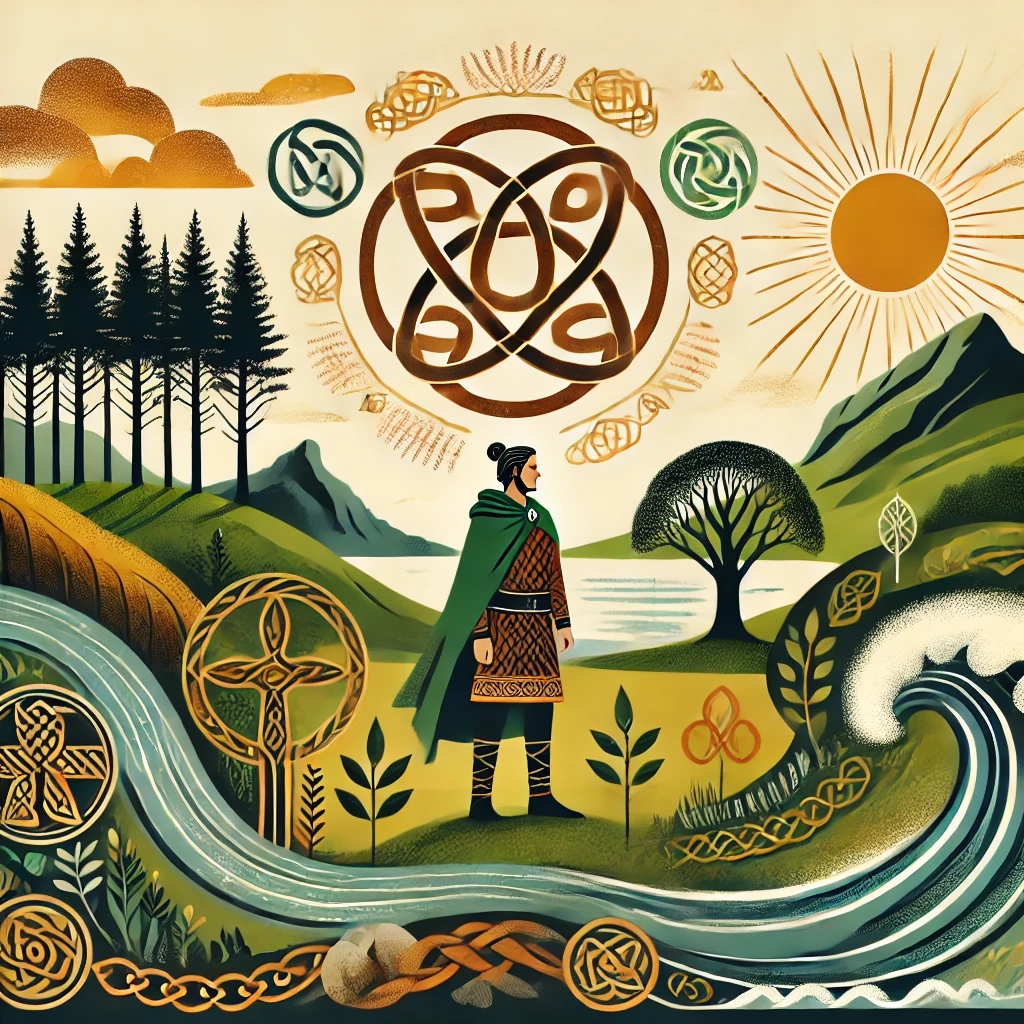
From a Pan-Celtic perspective, a good leader is someone who embodies the values deeply rooted in Celtic traditions: community, resilience, and connection to the land. For centuries, Celtic culture has celebrated leaders who serve not just with strength but with wisdom and a sense of responsibility toward their people and environment.
A true leader in the Pan-Celtic tradition leads by example, acting with honesty and integrity while fostering unity across borders. The Celts valued the interconnectedness of their clans and communities, and a good leader ensures that no one feels left behind. They listen deeply, embracing the diversity of voices and perspectives from the different Celtic nations, and build a shared vision for progress while honoring individuality.
Resilience is another hallmark of Celtic leadership. History has shown the Celts to be resourceful and adaptive, thriving through challenges and change. A good leader draws strength from this heritage, guiding their community with creativity and determination. They face difficulties head-on, balancing courage with compassion, and always keep the well-being of their people at heart.
Connection to nature is also vital. The Celts have long respected the natural world, seeing themselves as stewards of the land. A Pan-Celtic leader carries this principle forward, making decisions that are sustainable and mindful of future generations. They inspire their community to care for the environment while fostering a sense of gratitude for the resources it provides.
Ultimately, a good leader is one who strengthens bonds between people, carries forward the traditions of their ancestors, and paves the way for a better future. They embody the heart of what it means to be Celtic: resilient, united, and ever-mindful of their connection to both the earth and each other. In doing so, they create a legacy of leadership rooted in the best of Celtic values.
If you could un-invent something, what would it be?
If I were to un-invent something, as a Celt connected to the shared heritage of our nations, it would be the enclosure of the commons. Few events in history have done more to sever the bond between people and the land, and few have caused as much lasting harm to the spirit of community that defines us as a people.
For centuries, the commons were at the heart of our way of life. The land was not something to be owned by one, but something to be shared by all. It provided food, pasture, fuel, and a deep sense of connection to nature and to each other. To walk those open fields was to tread the path of our ancestors, to feel the pulse of the earth underfoot, and to live in balance with what it gave us. But the enclosure movement was spearheaded by landlords and legitimized by centralized powers that robbed us of this. Fences went up, fields were stolen, and families were driven from their homes. What was once ours became theirs.
If the enclosures had never happened, perhaps we would still live with the land as a partner, not a possession. The industrial age might have come less violently, and the relentless march toward exploitation might have been tempered by a greater respect for the earth. Communities would have remained rooted, rather than fractured and scattered in search of survival.
Un-inventing enclosure would mean more than tearing down borders, it would be reclaiming the soul of our people. It would restore the harmony that once existed between the land and its stewards, and revive the communal spirit that lies at the heart of our heritage. We belong to the land, not the other way around. I dream of a world where we remember that truth. Especially in our world today.
I’m going to be greedy and list out all the animals that hold meaning in my culture, for in the Celtic world, animals were not just creatures but they were sacred symbols, messengers, and guides. Each one carried unique traits and stories, forming an essential part of our identity and worldview.
Let me start with the stag, a majestic figure that embodies leadership, renewal, and a deep connection to the natural world. Its antlers were seen as a connection to the heavens, marking it as a symbol of spiritual growth. The stag teaches us to stand tall, move gracefully, and embrace the cycles of life.
Next is the wolf, a creature of loyalty and guardianship. Wolves often appear in Celtic tales as protectors of sacred spaces or guides through uncertain paths. They represent a balance of fierce independence and unwavering devotion to the pack which is a reminder of the strength found in unity.
The raven takes a darker, more mysterious role, associated with prophecy and wisdom. Often linked to the Morrígan, the raven signifies transformation and the ability to see beyond the physical realm. Its presence is a call to embrace intuition and the unknown.
The salmon, meanwhile, stands for knowledge and enlightenment. In Celtic mythology, the Salmon of Knowledge gained wisdom from the sacred hazel tree and offered it to those who sought it. It inspires us to continually seek learning and growth.
Lastly, there’s the horse, a symbol of strength, freedom, and endurance. Horses are deeply tied to the goddess Epona and are revered as loyal companions and symbols of journey and transformation.
Each of these animals weaves its own thread into the rich tapestry of Celtic culture, reminding us of the profound bond between humanity and the natural world. To celebrate them is to celebrate who we are.
In the coming months, I’m thrilled to introduce a unique culinary experience: a modern Celtic pop-up kitchen. This event will be a celebration of the Celtic nations’ rich culinary heritage, reimagined with a fresh, contemporary twist. It’s a chance to explore bold flavors, creative techniques, and the stories behind the ingredients that have shaped Celtic cuisine for generations.
Celtic food is often associated with hearty stews, fresh seafood, and rustic breads. While these classic dishes hold a special place in our hearts, this pop-up is about looking forward—taking the familiar and transforming it into something new. Guests can expect a menu that showcases the essence of Celtic ingredients in inventive ways, offering a dining experience that’s as unexpected as it is delicious.
Imagine starting your meal with whiskey-cured salmon tartare, served atop a crisp potato wafer with a touch of crème fraîche and dill. Or perhaps you’ll try oat-crusted scallops, golden and crisp, with a drizzle of wildflower honey mustard glaze. These dishes retain the soul of Celtic cooking while embracing a modern sensibility.
The mains are no less inspiring. One highlight is the whisky-miso glazed cod, a dish that blends the deep, smoky notes of whisky with the umami of miso, served with roasted parsnips and a delicate seaweed butter sauce. Another standout is the lamb belly with heather honey glaze, slow-braised and caramelized to perfection, served on a bed of smoked mashed turnips with a stout reduction. These plates tell a story of innovation, grounded in the bounty of the Celtic landscapes and seas.
For those with a sweet tooth, the dessert menu will not disappoint. Indulge in the heather-infused panna cotta, a delicate creation served with blackberry compote and oat crumble, or the dark chocolate and sea salt tart, a rich ganache-filled pastry with a touch of caramel and Celtic sea salt. Every dessert is a tribute to the natural beauty and flavors of the Celtic world.
Of course, no Celtic dining experience would be complete without drinks to match. From the refreshing elderflower gin fizz to the coastal-inspired seaweed martini, each beverage is carefully crafted to complement the menu. For a non-alcoholic option, the fragrant meadowsweet lemonade offers a taste of tradition in every sip.
The pop-up will also feature an immersive atmosphere, with rustic decor inspired by the Celtic connection to nature, live music featuring harp and fiddle, and a focus on storytelling. Each dish will come with its own narrative, highlighting the cultural significance of the ingredients and their journey from past to present.
This modern Celtic pop-up kitchen is more than a meal; it’s an exploration of what it means to honor tradition while embracing the possibilities of the future. I can’t wait to share this culinary journey with you. Stay tuned for more details on dates and locations—this is an event you won’t want to miss!
My mission is a deep love and respect for my Celtic nations and our unique yet interconnected identities. From Ireland to Scotland, Wales to Cornwall, Brittany to the Isle of Man, and further afield each Celtic nation has its own distinct culture, language, and traditions. Yet, there’s an undeniable thread that binds us, a shared heritage and a shared struggle to preserve our identities in an ever-globalized world.
In today’s age, where the same shows are watched across continents, and consumerism often drowns out cultural nuance, the idea of individuality is at risk of being lost. Many people can no longer articulate what makes their culture distinct, and for the Celtic nations, this poses a real challenge. Our languages are endangered, our music and traditions are often seen as relics of the past, and our stories risk being overshadowed by a homogenized global narrative.
My mission is to remind people that there is a different path, a path that celebrates diversity and embraces cultural identity as a strength. I want to highlight the beauty and complexity of each Celtic nation, while emphasizing the shared values that unite us: resilience, creativity, and community.
Through exploring modern interpretations of Celtic cuisine, celebrating our music, art, and history, and advocating for the preservation of our languages, I hope to inspire others to see the value of cultural identity. This isn’t about clinging to the past, but about weaving our heritage into the fabric of modern life, ensuring it remains alive and relevant for future generations.
The Pan-Celtic community is a testament to the strength of identity in the face of adversity. My mission is to amplify this strength, showing the world that cultural diversity is not a relics rather it’s a guide to a richer, more connected future.
Promoting Pan-Celtic cuisine and culture is both a rewarding and challenging endeavor. It’s about sharing the stories, flavors, and traditions of the Celtic nations while making them accessible to a modern audience. However, I know there’s always room to refine my approach and expand my impact.
One area I could improve is creating more engaging content, particularly through cooking videos. While I’ve shared recipes and ideas, visually demonstrating how to prepare a dish brings it to life in a way words cannot. Videos can connect people to the sights and sounds of cooking while weaving in the cultural significance of the ingredients and techniques. By regularly posting these videos and making them approachable, I could inspire more people to explore Celtic cuisine.
I also recognize the importance of fostering an environment where people feel welcomed into the world of Pan-Celtic culture. Whether through live cooking events, interactive Q&A sessions, or collaborations with others in the Celtic community, I’m open to building spaces that encourage participation. Creating opportunities for shared learning and engagement could transform followers into active advocates for this heritage.
Generating fresh ideas is another area where I sometimes struggle. It’s not always easy to stay inspired, and the fear of running out of creative energy can be daunting. But I’m learning to revisit traditional recipes, draw from seasonal ingredients, and collaborate with others to reignite my passion.
Above all, I know I could embrace a more positive mindset. Instead of focusing solely on metrics like views or shares, I want to celebrate the connections I’ve made and the joy I’ve shared. By creating an inclusive, inspiring environment, I hope to bring the vibrancy of Pan-Celtic cuisine and culture to life for more people.
I remember the day I first learned to make a St. Brigid’s Cross in school. Our teacher walked in with a bundle of rushes and told us about the old tradition. St. Brigid’s Cross was something many families made every year. It was placed in homes to bring blessings and protection. That day, we would learn how to make our own.
The process was slow at first. The teacher showed us how to fold and layer each piece of rush. My hands struggled to keep the rushes in place. The folds would slip, and I had to start over again. It took patience. Slowly, I began to understand the steps. Fold, hold, turn, and add. The cross began to take shape, and I started to feel calm as I worked.
As I made it, I thought about how each piece of rush needed the others to stay together. It reminded me of how connected we are in life. Each strand was important. Without one, the whole cross would fall apart.
When I finished, I held it up proudly. It was not perfect, but it felt special. I imagined people in the Celtic nations and further a field making these crosses hundreds of years ago. Maybe children like me had sat with their families, weaving these same patterns. It made me feel part of something bigger.
This simple craft taught me more than just how to weave a cross. It showed me the beauty of connection, patience, and tradition. Now, whenever I see a St. Brigid’s Cross, I think about that day and how it links us to the past and to each other across the Celtic world. It is a reminder that, just like the rushes, we are stronger when we are woven together.
New Year’s Eve has always been special, but experiencing Hogmanay in Scotland took it to another level. It’s not just a celebration—it’s a feeling, a connection, and something I’ll never forget.
The fire festivals are the first thing that comes to mind. Watching people in Stonehaven swing huge fireballs through the streets was unforgettable. The heat, the sparks, the energy felt like they were burning away the old year to make way for something fresh. It wasn’t just a show; it meant something.
Then there’s the music and dancing. I didn’t know any ceilidh steps when I joined in, but it didn’t matter. The music pulls you in, and soon you’re laughing, spinning, and feeling completely at home, even with strangers. It’s about being part of the moment, not getting it perfect.
At midnight, everyone sang “Auld Lang Syne.” I’ve heard it before, but in Scotland, it hits differently. People join hands, sing their hearts out, and there’s this sense of togetherness that’s hard to explain. It’s about more than just the new year—it’s about the people and memories you carry with you.
The tradition of “first footing” was something I loved too. After midnight, it’s good luck for the first visitor to bring gifts like coal or whisky. It’s such a simple, warm tradition that shows how much they value community and good fortune.
Whether you’re at a massive street party in Edinburgh or a small village fire festival, Hogmanay is something special. It’s not just about fireworks and counting down; it’s about letting go of the old, celebrating the present, and looking forward to what’s ahead. If you ever get the chance to experience it, go. It’s magic.
There’s something about Celtic music that transforms a kitchen into a warm, lively hub of culture and tradition. The rhythm of the reels, the haunting beauty of ballads, and the infectious energy of jigs provide the perfect backdrop for cooking or entertaining friends. Here’s a playlist that captures the essence of Celtic music, blending traditional and modern tunes to suit every moment.
The Lively Jigs and Reels
To start with energy, the lively pace of jigs and reels can set a wonderful tone as you chop, stir, and sauté:
The Butterfly The Chieftains: A joyful jig that feels like a celebration of every step in your cooking process.
Drowsy Maggie Lúnasa: A high-energy reel that mirrors the rhythm of a busy kitchen.
Jig of Slurs / Atholl Highlanders Capercaillie: This Scottish medley is fast-paced and invigorating, keeping the mood upbeat.
The Heartfelt Ballads
As the meal comes together, balance the energy with heartfelt ballads that bring a touch of tradition and warmth to the atmosphere:
Caledonia Dougie MacLean: A stirring Scottish ballad that feels like a warm embrace.
Down By the Salley Gardens Loreena McKennitt: Ethereal and soothing, perfect for moments of quiet reflection.
Loch Lomond Runrig: A powerful anthem that speaks of longing and connection.
The Traditional Touch
For an authentic connection to Celtic heritage, these tunes immerse you in the beauty of traditional melodies:
Si Bheag, Si Mhor Planxty: A gentle instrumental with a melody that feels timeless.
Fionnghuala The Bothy Band: A playful traditional tune, ideal for adding a bit of cheer.
Breton Dance Alan Stivell: With its rhythmic Breton flair, this tune is perfect for a festive gathering.
Modern Takes on Tradition
These modern interpretations of Celtic music bring fresh energy and creativity while staying rooted in tradition:
Teidhir Abhaile Riu Celtic Woman: A vibrant and polished performance of a traditional Irish song.
Tro Breizh Nolwenn Leroy: A captivating modern Breton piece that adds elegance to the playlist.
An Dro – Carlos Núñez: A Galician tune with Celtic fusion elements that inspire movement and connection.
For the Gathering Table
Once the meal is served, these tunes create the perfect atmosphere for relaxing and enjoying good company:
Whiskey in the Jar The Dubliners: A classic Irish folk song that will have everyone singing along.
Cornish Dance Tune Dalla: A lively tune from Cornwall that feels like a communal celebration.
The Foggy Dew Sinéad O’Connor & The Chieftains: A hauntingly beautiful ballad to ground the moment.
Closing with Grace
Finally, wind down with music that leaves everyone feeling content and connected:
Sweet Afton Eddie Reader: A serene Scottish piece based on a Robert Burns poem.
Song for Ireland Mary Black: A poignant and reflective ballad to bring the evening to a gentle close.
This playlist is more than just music; it’s an invitation to experience Celtic culture in your own home. Whether you’re cooking a simple meal or hosting friends, these tunes bring warmth, rhythm, and authenticity to every moment. Enjoy the journey, and let the music set the mood!
If you started a sports team, what would the colors and mascot be?
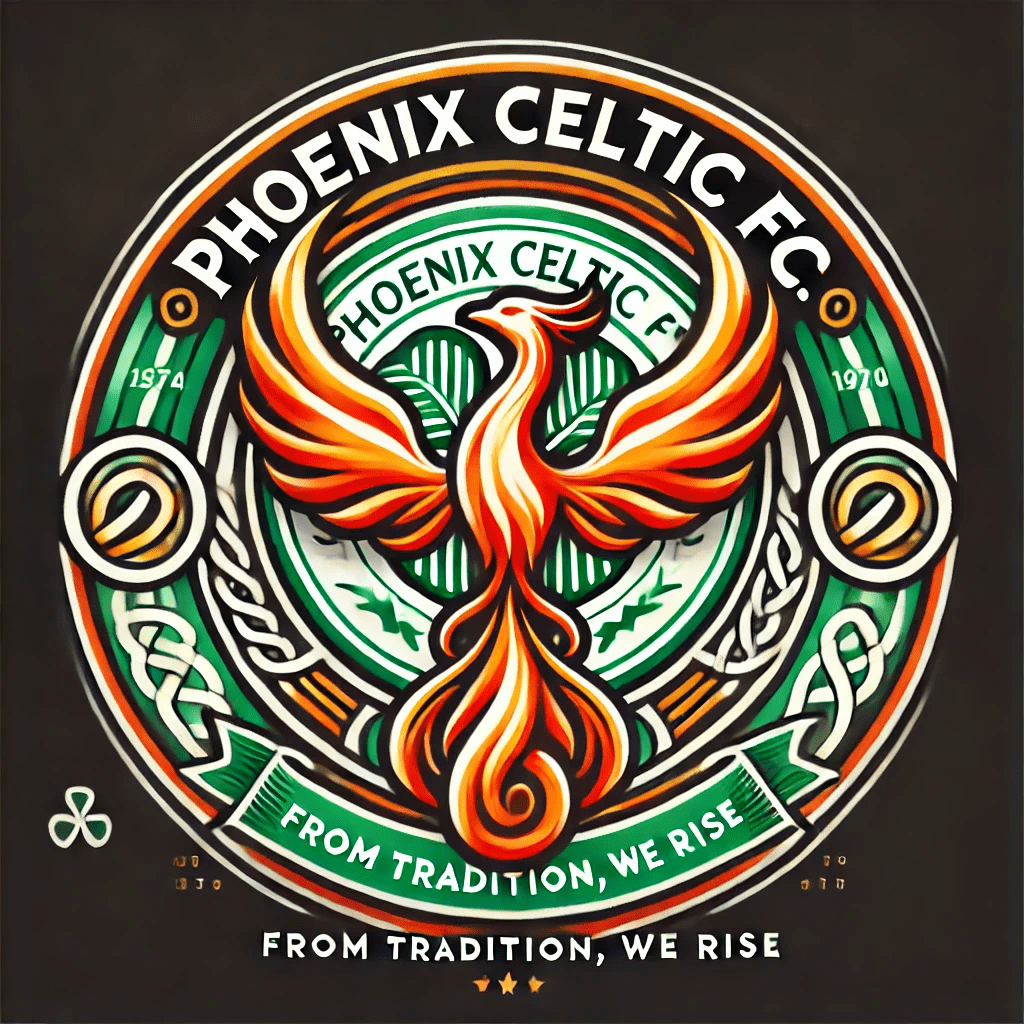
If I were to establish a football club, it would proudly embody the Celtic spirit, in tradition, unity, and cultural significance, just like many of the Celtic-inspired teams that have graced football history. This club, named Phoenix Celtic FC, would honor the past while embracing a modern identity, representing resilience, community, and passion for the beautiful game.
The name Phoenix Celtic FC was chosen to symbolize renewal and endurance. The phoenix, a mythical bird that rises from its ashes, reflects the timeless resilience of the Celtic spirit. Combined with the Celtic legacy, it represents a club that rises strong, honoring its roots while looking toward a brighter future. The club would carry a philosophy of growth, connection, and ambition, deeply rooted in the Celtic heritage.
The team’s colors would reflect this duality of tradition and individuality. Emerald Green would be the primary color, a nod to the Celtic heritage and a symbol of growth and harmony. Complementing this would be Fiery Orange, representing the energy, passion, and transformation of the phoenix. White would complete the palette, offering a sense of balance and purity. Together, these colors would create a vibrant and traditional kit, ensuring Phoenix Celtic FC stands out both on and off the pitch.
The club’s crest would serve as its visual heart. The design would feature a Celtic knot, symbolizing eternal connection, intertwined with a phoenix rising from flames, representing renewal and strength. Encircling the crest would be the club’s motto: “From Tradition, We Rise.” This emblem would encapsulate the very essence of the team and tribute to the Celtic legacy and a declaration of its ambition to soar to new heights.
Adding to its identity, the team would adopt a mascot, Fianna the Phoenix. Named after the legendary Celtic warriors, Fianna would embody courage, resilience, and renewal, qualities that define the team’s philosophy. The mascot would be a unifying figure, rallying fans and players alike, and creating an electric atmosphere on match days.
Beyond its symbols and identity, Phoenix Celtic FC would stand for meaningful values. Inspired by clubs like Belfast Celtic and Glasgow Celtic, the team would prioritize its community. It would invest heavily in grassroots football, organizing youth programs and engaging with local schools to nurture young talent. Inclusivity and diversity would also be at the heart of the club, drawing inspiration from the welcoming spirit of other Celtic clubs like Celta Vigo and Kafue Celtic. By embracing players and fans from all walks of life, Phoenix Celtic FC would celebrate unity in diversity, further enriching its Celtic identity.
The club’s home ground, aptly named The Phoenix Nest, would be a modern, state-of-the-art stadium designed to foster a fiery yet welcoming atmosphere. The stands would be adorned in green and orange, echoing the team’s colors, and the stadium would be a gathering place for fans to come together and celebrate their shared love of football.
On a global scale, Phoenix Celtic FC would connect with other Celtic-inspired clubs, forging a network of collaboration and friendship. It would organize friendly matches with teams like Glasgow Celtic, Celta Vigo, and Cwmbran Celtic, building a worldwide Celtic football community. These partnerships would celebrate shared heritage while creating opportunities for the exchange of ideas and talent.
Ultimately, Phoenix Celtic FC would be more than just a football club; it would be a movement. It would embrace the values of community, tradition, and ambition, striving to create a legacy that blends the best of the Celtic heritage with the demands of modern football. Rising from tradition, Phoenix Celtic FC would soar to greatness, inspiring players and fans alike to aim for the heights while staying rooted in the spirit of unity and resilience.
Would you join the journey of Phoenix Celtic FC? Together, let us rise, from tradition to triumph.


 Pan Celtic Cuisine