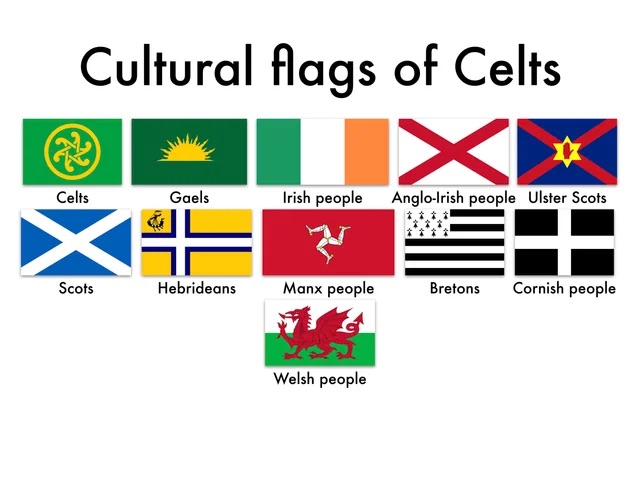
What happened in 1992 in the Celtic world

Of course, I would have to use the daily prompt to research and find out what was happening in the Celtic world in 1992. Here is what I found out.

1992 was a fascinating year for the Pan-Celtic world as the traditions of the Celtic nations were celebrated and preserved on a global scale. From Mississippi in the United States to New South Wales in Australia, lthe Celts continued to inspire and connect people across the globe. It was a year that showed how these ancient traditions were not just surviving but thriving, proving their place in the modern world.

One significant event took place in May 1992( birth month) in Jackson, Mississippi, where the Celtic Heritage Society was established. This nonprofit organization emerged from a desire to preserve and promote the culture of the six Celtic nations: Ireland, Scotland, Wales, Brittany, Cornwall, and the Isle of Man. Focused on celebrating Celtic arts like music, dance, literature, and visual art, the society became a community for those with a connection to Celtic roots or an interest in its traditions. Through its events and educational programs, it created a lasting sense of community where Celtic culture could flourish, even far from its homelands.

Across the world in Glen Innes, New South Wales, Australia, another remarkable event unfolded with the launch of the Australian Celtic Festival. Inspired by the unveiling of the Glen Innes Standing Stones, this festival was a tribute to the Celtic peoples who had influenced and shaped Australia. The Standing Stones served as the heart of a vibrant celebration of Celtic music, dance, language, and history. What began as a local event quickly grew into one of the most significant Celtic festivals in the southern hemisphere, attracting Australians of Celtic descent and enthusiasts from around the world.

What makes these events from 1992 so important is not just their success but also how they reached across the globe. Celtic culture, deeply tied to the landscapes of Ireland, Scotland, and other Celtic nations, showed its ability to resonate far beyond its origins. In Jackson and Glen Innes, people thousands of miles from the Celtic homelands demonstrated their deep connection to this culture and its timeless values. This global embrace of Celtic traditions is a powerful reminder of their universal themes of resilience, love for the land, and the importance of community.

Looking back, these moments weren’t just about honoring the past. They were about ensuring the future of Celtic traditions by passing them on to the next generation, people like me and you. They proved that Celtic culture could find new life and relevance anywhere in the world.

These events from 1992 are a testament to how far Celtic heritage has reached and how it continues to thrive in unexpected places. They show that Celtic culture is not just something of the past but something that continues to live, inspire, and connect people today, no matter where they are.

The Character of a Celtic Person: You Be the Judge of Whether We Are Good

Are you a good judge of character?

Being a modern Celtic person isn’t just about where you’re from, it’s about who you are, what you value, and how you connect to the world around you. For me, the essence of Celtic identity lies in honoring the history and traditions of the Celtic nations, our places like Ireland, Scotland, Wales, Cornwall, Brittany, the Isle of Man, and even Galicia and Asturias, while blending those deep roots with the realities of the modern world.

A modern Celtic person carries a respect for heritage. It’s not about clinging to the past but keeping it alive in meaningful ways. Whether that’s speaking Irish or Welsh, preserving traditional music, or celebrating ancient festivals like Samhain or Imbolc, it’s about keeping the spirit of those who came before us alive. For me, it’s in the food I cook, the football team I follow and the stories I tell, leading into the pride I feel in being part of something bigger.

But being Celtic isn’t just about history but it’s about the land. Celts have always had a bond with the natural world, and that connection remains strong today. A modern Celtic person respects the land, whether it’s through sustainable practices or just taking the time to appreciate the beauty of a rural landscape. I often find myself inspired by the rugged coastlines, misty hills, and vibrant greens that are so iconic of Celtic regions. They’re a reminder of how deeply rooted we are to our surroundings and how important it is to protect them.

Creativity is another hallmark of the Celtic spirit. From ancient bards and poets to modern musicians and artists, Celts have always found ways to express themselves. For me, that creativity often comes out in the kitchen, blending tradition with innovation to create something new that still feels deeper than me. It’s about finding that balance between honoring the old ways and making them relevant to today.

Hospitality is another trait that defines us. Celts are known for their warmth, humor, and generosity. A modern Celtic person values community, family, and connection. Whether it’s a gathering around a table or just the small, everyday ways we look out for each other, that sense of togetherness is something I strive to carry forward.

And then there’s resilience. Celtic history is full of struggle, battles for independence, efforts to preserve language and culture, and more. Modern Celts embody that strength. It’s about standing firm in what you believe in, even when the odds are stacked against you. For me, that means staying true to my identity and values, no matter where life takes me.

Language is another piece of the puzzle. So many modern Celts are working to revive and preserve their native tongues, whether it’s Irish, Welsh, or Breton. It’s a fight to keep those languages alive, and it’s inspiring to see so many people dedicating themselves to that cause. For me, even using a few words of Irish in my daily life is a small way of staying connected to that part of my heritage.

Food and drink are, of course, a massive part of Celtic culture, and modern Celts embrace this with pride. Traditional dishes made with local, seasonal ingredients tell a story of the land and the people who live there. For me, cooking is one of the most tangible ways to keep that connection alive. It’s not just about eating, it’s about celebrating our history and sharing it with others.

Spirituality, too, plays a role. Whether it’s rooted in Christianity, ancient Celtic beliefs, or a blend of both, there’s often a deep sense of connection to the land, the seasons, and the cycles of life. For me, it’s about being mindful of those connections and letting them guide how I live and work.

Finally, being a modern Celtic person means being a global citizen while holding onto local pride. We live in a connected world, but that doesn’t mean we lose who we are. If anything, it’s an opportunity to share the richness of Celtic culture with others, whether that’s through food, music, language, or simply the way we live.

At the end of the day, being Celtic is about balance. It’s about holding onto the past while embracing the future. It’s about connection to the land, to the people around us, and to ourselves. And it’s about carrying forward a legacy that’s not just about history but about who we are and who we strive to be. For me, that’s what being Celtic means, and it’s a legacy I’m proud to be a part of.

Pan – Celtic Cuisine shopping essentials

List your top 5 grocery store items.

Pan-Celtic cuisine is my thing, it’s land and sea, a connection that has been cherished for centuries across the Celtic nations. As I step into the kitchen, I think about the ingredients that truly capture this tradition, ingredients that tell the story of our ancestors and their resourceful way of living. I reach for the bag of oats sitting on the counter. Oats have been a constant in Celtic cooking, not just as a breakfast porridge but as the foundation of rustic oatcakes and lots of other dishes. There’s something so grounding about using this ancient grain, knowing it nourished generations before us.

Beside the oats is a small jar of dried dulse, a gift from the sea. Seaweed has always been part of Celtic life, harvested along the rugged coasts and added to soups or eaten as a snack. Its salty, earthy flavor immediately reminds me of the ocean and of windswept beaches and crashing waves. Whether it’s dulse in a stew, laver in traditional Welsh laverbread, or carrageen moss used to thicken desserts, seaweed brings the Celtic shores to life in every bite.

Then, of course, there are the potatoes. Humble yet indispensable, potatoes hold a special place in my heart. From Irish colcannon to the filling of a Cornish pasty, they are the backbone of so many beloved recipes. Their simplicity belies their versatility, and in every dish, they remind us of resilience and survival, of finding abundance in what is seemingly modest.

I glance at the golden butter on the counter, a reminder of the lush, green pastures that define so much of Celtic farming. The dairy from these lands is second to none, from creamy butter to cheeses like Caerphilly or Isle of Mull Cheddar. There’s a richness in these ingredients that transforms even the simplest meal into something special. It’s not just food; it’s a celebration of the land that gave it to us.

Lastly, there’s barley. An ancient grain that has been cultivated across the Celtic world for thousands of years, it finds its way into soups and stews, like the comforting Scotch broth that warms you from the inside out. Barley’s nutty flavor and hearty texture connect us to the old ways, to meals cooked slowly and savored fully. Even barley flour can create breads and cakes that feel as though they’ve come straight from a bygone era.

As I work with these ingredients, I feel their history in my hands. Oats, seaweed, potatoes, butter, and barley each one tells a story, and together they create the flavors of the Celtic world. Cooking with them isn’t just about making food; it’s about honoring the past, connecting with the land, and keeping these traditions alive. Each dish feels like a bridge, bringing the essence of the Celtic nations into the present day, one simple, beautiful meal at a time.

A Vision for Pan Celtic Games: Inspired by the Olympics and the Heritage of the Highland Games

Was today typical?

The Olympic Games have always been a beacon of unity, excellence, and celebration of diverse cultures through sports. Watching athletes from around the world come together to compete at the highest levels has inspired many, including myself, to envision new ways of celebrating heritage and fostering unity. One such idea is to create a Pan Celtic Games, blending the rich traditions of the Celtic nations with the vibrant, athletic spirit of the Highland Games. This event could serve as a powerful addition to the already established Pan Celtic Festival, offering a dynamic platform to showcase the athletic prowess, cultural heritage, and communal bonds of the Celtic peoples.

The Inspiration: Unity in Diversity

The Olympics inspire awe not just for the incredible feats of athleticism but also for the sense of global camaraderie they promote. Watching the diverse range of sports and the athletes’ dedication, I couldn’t help but think about how such an event could bring together the Celtic nations—Scotland, Ireland, Wales, Brittany, Cornwall, and the Isle of Man—celebrating their unique identities and shared heritage through sports and cultural events.

The Heritage: Highland Games and Celtic Traditions

The Highland Games, with their iconic events like the caber toss, hammer throw, and tug-of-war, are a vibrant expression of Scottish culture and athleticism. These games are not only about physical strength but also about community spirit, tradition, and celebration. The idea of incorporating elements of the Highland Games into a broader Pan Celtic Games is compelling because it resonates deeply with the Celtic ethos of communal celebration and honoring the past.

Each Celtic nation has its own traditional sports and games. By creating a Pan Celtic Games, we can draw on this diverse heritage, from Irish hurling and Welsh stone lifting to Breton wrestling and Cornish Cornu. This would create a unique and exciting event that honors the past while fostering contemporary connections.

The Vision: A Pan Celtic Games

Imagine a festival where athletes from the Celtic nations gather to compete in a variety of traditional and modern sports, all set against the backdrop of vibrant cultural displays. The Pan Celtic Games could feature:

  1. Traditional Sports: Events like the caber toss, stone lifting, and wrestling, rooted in each nation’s heritage.
  2. Modern Sports: Athletics, 7s rugby, futsal, and other contemporary sports that are popular across the Celtic regions.
  3. Cultural Performances: Traditional music, dance, storytelling, and arts and crafts, showcasing the rich cultural tapestry of the Celtic nations.
  4. Community Engagement: Workshops, exhibitions, and interactive sessions where attendees can learn about and participate in Celtic traditions.
  5. Youth Programs: Encouraging the next generation to engage with their heritage through sports and cultural activities.

The Impact: Strengthening Bonds and Celebrating Heritage

The Pan Celtic Games would not only be a celebration of athleticism but also a powerful statement of cultural unity and pride. It would provide a platform for the Celtic nations to come together, celebrate their shared history, and foster a sense of camaraderie and mutual respect. Moreover, such an event would attract visitors from around the world, eager to experience the unique blend of sports and culture, boosting local economies and promoting cultural tourism.

A Dream Worth Pursuing

The idea of a Pan Celtic Games, inspired by the Olympics and enriched by the heritage of the Highland Games, is more than just a fanciful dream. It is a vision that celebrates the best of what it means to be part of the Celtic world—strength, tradition, community, and a deep respect for heritage. By bringing together athletes, performers, and enthusiasts from across the Celtic nations, we can create an event that not only honors our past but also inspires future generations to take pride in their unique cultural identity.

As the Olympic flame continues to inspire unity and excellence globally, let us kindle a new flame within the Celtic nations, one that burns brightly with the spirit of competition, cultural celebration, and the timeless bonds of our shared heritage. The Pan Celtic Games could be the next great chapter in our ongoing story, a testament to our enduring strength and vibrant culture.

Article about fermentation in Celtic life

An investigation into Celtic fermentation

Fermentation in Celtic Culture: Preserving Tradition and Flavor

Fermentation, a process as ancient as civilization itself, holds a special place in the culinary and cultural heritage of the Celtic peoples. From the misty highlands of Scotland to the rolling hills of Ireland and the verdant landscapes of Gaul, fermentation played a vital role in shaping the diet, social customs, and even the spiritual practices of these ancient communities.

A Tradition of Preservation

In the world of the Celts, where winters were long and food scarcity was a real concern, fermentation emerged as a crucial method of food preservation. By harnessing the transformative power of beneficial microbes, Celts could extend the shelf life of perishable foods like grains, fruits, and vegetables. Fermented products not only lasted longer but also retained essential nutrients, ensuring a more stable food supply throughout the year.

Archaeological evidence from Celtic sites across Europe reveals the presence of fermentation vessels and remnants of fermented foods and beverages. These artifacts speak volumes about the ingenuity of Celtic people in utilizing local resources to sustain themselves and their communities.

Ale, Beer, and Mead: Liquid Gold of the Celts

One of the most celebrated outcomes of Celtic fermentation practices was the production of alcoholic beverages. Ale, beer, and mead were not just drinks; they were symbols of hospitality, social cohesion, and even religious significance. Brewing beer, for instance, was a communal activity that brought together people for feasts, celebrations, and rites of passage.

Celtic brewers were masters of their craft, using ingredients readily available in their environment—barley, wheat, honey, and various herbs and spices—to create beverages that were as diverse as they were flavorful. These drinks not only quenched thirst but also added festivity and joy to everyday life.

Culinary Alchemy: Fermented Foods and Flavors

Beyond beverages, fermentation enhanced Celtic cuisine in ways that still resonate today. Fermented dairy products like butter and cheese provided essential fats and proteins, while fermented vegetables and condiments added complexity and depth to dishes. Sauerkraut-like preparations of cabbage and pickled foods not only offered nutrition but also showcased the Celts’ prowess in culinary arts.

The art of fermentation was intertwined with Celtic culinary traditions, passed down through generations as a blend of practical knowledge and cultural identity. Recipes and techniques were shared orally, ensuring that the secrets of fermentation endured through time.

Cultural Legacy and Modern Resurgence

Today, the legacy of Celtic fermentation continues to inspire a renewed appreciation for fermented foods and beverages. In Ireland, Scotland, Wales, Brittany, and beyond, artisanal breweries and traditional fermenters pay homage to their ancestors by reviving ancient recipes and experimenting with new flavors.

Moreover, scientific research has highlighted the health benefits of fermented foods, from improved digestion to enhanced immune function—a validation of what Celtic cultures intuitively understood millennia ago.

Fermentation as a Cultural Keystone

In conclusion, fermentation was more than a method of food preservation for the Celts; it was a cultural keystone that enriched their lives in myriad ways. From ensuring food security and celebrating communal bonds to refining their culinary palate, fermentation left an indelible mark on Celtic heritage.

As we savor the tang of aged cheese or raise a glass of frothy ale, we connect with the timeless traditions of Celtic fermentation. It’s a testament to the enduring legacy of these ancient peoples and a reminder of the simple yet profound alchemy that transforms ordinary ingredients into something extraordinary. So, the next time you enjoy a bite of fermented cheese or sip a pint of craft beer, remember the Celts and their mastery of fermentation—a tradition worth preserving and celebrating.

Identity the past and bringing it into the future regarding the etymology of the term chef

What are you most excited about for the future?

The Celtic word “cócaire,” meaning “cook” in English, is a term steeped in the rich tapestry of Gaelic linguistic history. Its journey through time offers a fascinating glimpse into the cultural and societal transformations that have shaped the Celtic-speaking peoples.

Origins and Etymology

The word “cócaire” is derived from Old Irish, the earliest form of the Goidelic languages, which also include Scots Gaelic and Manx. Old Irish, in turn, evolved from Primitive Irish, the oldest known form of the Irish language, attested in Ogham inscriptions dating back to the 4th century AD. The term “cócaire” itself likely finds its roots in the Proto-Celtic word kokkoros, which means “cook” or “chef.” This Proto-Celtic term is connected to the Proto-Indo-European root *pekʷ-, meaning “to cook” or “to ripen.”

Linguistic Evolution

In Old Irish, the word for cook was “coic,” a term that reflects the linguistic structures and phonetic characteristics of the period. As the language evolved into Middle Irish (circa 900–1200 AD), “coic” transformed into “cocaire,” showing the typical morphological changes of the time, including the addition of the suffix “-aire,” which is used to denote an agent noun, indicating a person who performs a particular action.

By the time of Early Modern Irish (circa 1200–1650 AD), “cocaire” had become more standardized, reflecting the linguistic reforms and literary efforts of the period, which aimed to preserve and formalize the Irish language. The transition from Middle to Early Modern Irish was marked by significant phonological, morphological, and syntactic changes, which further refined the word into its contemporary form, “cócaire.”

Cultural Significance

The role of the cook, or “cócaire,” in Celtic society has always been pivotal. In ancient Ireland, the cook was not merely a preparer of food but a vital figure in the community. Feasting and communal meals were central to social and political life, with the cook often holding a respected position in the household of a chieftain or king. The preparation of food was imbued with ritual significance, and certain dishes and feasting customs were deeply rooted in Celtic traditions.

The “cócaire” was also responsible for the preservation of culinary knowledge and the transmission of recipes and cooking techniques across generations. This role underscored the importance of oral tradition in Celtic cultures, where knowledge was often passed down verbally rather than through written texts.

Modern Usage

In contemporary Irish, “cócaire” is the standard term for a cook or chef, used in both casual and formal contexts. It appears in modern dictionaries and is taught to students of the Irish language as part of their vocabulary. The word has retained its fundamental meaning over the centuries, a testament to the continuity and resilience of the Gaelic language.

Moreover, “cócaire” and its related forms have found their way into various cultural expressions, from literature and folklore to modern media and culinary arts. The word serves as a linguistic bridge connecting modern speakers with their ancestral past, reflecting a shared heritage and the enduring legacy of the Celtic culinary tradition.

Conclusion

The history of the word “cócaire” is a mirror of the broader historical and linguistic developments of the Gaelic-speaking world. From its Proto-Celtic roots to its current usage in modern Irish, “cócaire” encapsulates the dynamic evolution of a language and the cultural significance of cooking in Celtic society. This humble word, denoting the essential act of cooking, tells a story of continuity, adaptation, and the unbroken thread of tradition that links the present to the distant past.

The History Behind Haggis: Scotland’s National Dish

Pan Celtic Cuisine

Scotland

Haggis, Scotland’s national dish, is a savory pudding containing sheep’s pluck (heart, liver, and lungs), minced with onion, oatmeal, suet, spices, and salt, mixed with stock, and traditionally encased in the animal’s stomach. This iconic dish, deeply embedded in Scottish culture, has a history that stretches back centuries, blending folklore, tradition, and culinary evolution.

The origins of haggis are somewhat murky, with similar dishes appearing in various forms across different cultures. However, it is widely believed that haggis has been a part of Scottish cuisine since at least the 15th century. The earliest known written recipe for haggis appears in an English cookbook from the 1430s, but its association with Scotland grew stronger over the following centuries.

One theory suggests that haggis was a practical solution for shepherds and farmers who needed a way to use every part of the sheep after slaughtering. The dish’s ingredients were readily available, and its preparation was relatively simple, making it an accessible and nutritious meal for rural communities. The use of oatmeal, a staple in Scottish kitchens, helped to bind the mixture and add a distinct texture and flavor.

Haggis gained significant cultural prominence in the late 18th century, largely due to the works of Scotland’s national poet, Robert Burns. In his famous poem “Address to a Haggis,” written in 1786, Burns celebrates the dish as a symbol of Scottish identity and hospitality. The poem’s opening lines, “Fair fa’ your honest, sonsie face, / Great chieftain o’ the pudding-race!” immortalized haggis in Scottish literature and folklore. To this day, Burns Night, celebrated annually on January 25th, features haggis as the centerpiece of the traditional supper, where it is ceremoniously addressed with Burns’s verse before being served.

The recipe for haggis has remained remarkably consistent over the centuries, though modern adaptations and variations have emerged. While the traditional sheep’s stomach casing is still used by purists, many contemporary versions utilize artificial casings. Additionally, vegetarian and vegan haggis recipes have been developed to cater to diverse dietary preferences, incorporating ingredients such as lentils, nuts, and vegetables.

Haggis’s cultural significance extends beyond its culinary aspects. It is a dish that evokes a sense of heritage and pride among Scots, often featured at important celebrations, including Hogmanay (New Year’s Eve) and St. Andrew’s Day. Its preparation and consumption are steeped in ritual, reflecting the deep respect for tradition within Scottish society.

Despite its strong association with Scotland, haggis has faced challenges, particularly regarding its export. In 1971, the United States banned the importation of traditional haggis due to regulations prohibiting the use of sheep lungs in food products. However, this has not diminished its popularity within Scotland and among the Scottish diaspora worldwide.

In conclusion, haggis is more than just a dish; it is a symbol of Scottish resilience, ingenuity, and cultural pride. Its history is a testament to the resourcefulness of Scotland’s people and their ability to transform humble ingredients into a celebrated national treasure. As both a culinary delight and a cultural icon, haggis continues to be a beloved part of Scotland’s heritage, enjoyed by those who appreciate its rich flavors and storied past.

A Journey to Brittany

Describe a decision you made in the past that helped you learn or grow.

In the pursuit of personal and professional growth, some journeys take unexpected turns. For me, it was the decision to move to the enchanting Celtic nation of Brittany, a region renowned for its rich cultural heritage and unparalleled gastronomy. Little did I know that this leap of faith would become a transformative experience, shaping not only my career but also my spiritual and personal development.

Brittany, with its rugged coastline, quaint villages, and vibrant culinary scene, captivated me from the moment I set foot on its soil. As I immersed myself in the local culture, I quickly realized that food wasn’t just sustenance here; it was a way of life. From indulging in savory crepes filled with locally-sourced ingredients to savoring the freshest seafood straight from the Atlantic, every meal became a celebration of tradition and flavor.

Professionally, the move to Brittany opened doors I never knew existed. As a lost chef, I found myself surrounded by a community of passionate artisans and culinary experts who welcomed me with open arms. Through collaborations and mentorship, I honed my skills, experimenting with new techniques and ingredients inspired by the region’s bountiful produce.

But beyond the kitchen, Brittany offered me something far more profound: a sense of belonging and spiritual nourishment. Surrounded by the region’s natural beauty, from its ancient forests to its windswept cliffs, I found solace and inspiration in the simple pleasures of life. Whether strolling along the sandy beaches at sunset or hiking through the lush countryside, I felt a deep connection to the land and its people.

Moreover, living in Brittany challenged me to step out of my comfort zone and embrace new experiences with an open mind and heart. From learning the Breton language to participating in local festivals and traditions, I discovered the importance of cultural exchange and the value of embracing diversity.

In retrospect, my decision to move to Brittany was not just about changing my geographic location; it was about embarking on a journey of self-discovery and personal growth. Through its gastronomic wonders and timeless traditions, Brittany has taught me the importance of living authentically, pursuing my passions wholeheartedly, and cherishing the moments that truly nourish the soul.

As I continue to navigate life’s twists and turns, I am grateful for the lessons learned and the experiences gained in this vibrant Celtic nation. Brittany will always hold a special place in my heart, reminding me that sometimes, the most rewarding journeys are the ones that lead us to unexpected destinations.

Why I Have No Place I Never Want to Visit

What place in the world do you never want to visit? Why?

As a culinary enthusiast and a chef deeply passionate about exploring diverse cultures and cuisines, the idea of never wanting to visit a particular place feels counterintuitive to my adventurous spirit. Every corner of the world offers its own unique treasures, whether in the form of culinary delights, natural wonders, or cultural experiences. With an insatiable curiosity and a thirst for knowledge, I approach travel as an opportunity to broaden my horizons and immerse myself in new experiences.

The beauty of travel lies in its ability to challenge preconceived notions and expand our understanding of the world. By venturing beyond familiar territory, we open ourselves up to new perspectives, flavors, and traditions that enrich our lives in profound ways. Whether it’s savoring street food in bustling markets, trekking through pristine landscapes, or connecting with locals in remote villages, every journey holds the potential for transformation and growth.

Moreover, the notion of avoiding a particular destination goes against the ethos of inclusivity and acceptance that I hold dear. As a chef, I believe in celebrating diversity and embracing the richness of human experience in all its forms. By embracing cultural exchange and fostering connections with people from all walks of life, we cultivate a spirit of empathy and understanding that transcends geographical boundaries.

Ultimately, my desire to explore the world knows no bounds, and I approach every destination with an open heart and a sense of wonder. Rather than shying away from unfamiliar places, I embrace the opportunity to learn, grow, and be inspired by the countless wonders our world has to offer. In doing so, I believe we can cultivate a deeper appreciation for the beauty and diversity of our planet, enriching our lives and the lives of others in the process.

How My Grandmother Shaped My Relationship with Food

Describe a positive thing a family member has done for you.

Growing up, I was fortunate to have a grandmother whose love for cooking and respect for food left an indelible mark on my life. Her kitchen was a place of warmth, laughter, and the intoxicating aroma of home-cooked meals. But more than just teaching me recipes, my grandmother imparted invaluable lessons about gratitude, sustainability, and the importance of mindful eating.

One of the most profound teachings my grandmother instilled in me was her reverence for food and the resources it represents. She would often remind me that every ingredient on our plate was a gift from nature, requiring the sun, soil, and rain (Coming from Ireland we had plenty of the rain) to reach fruition. This perspective fostered in me a deep appreciation for the interconnectedness of all living beings and the ecosystems that sustain us.

In addition to her philosophical teachings, my grandmother was also a practical advocate for reducing food waste. She had a knack for transforming leftovers into delectable creations, teaching me that nothing should go to waste in the kitchen. Whether it was turning stale bread into breadcrumbs or simmering vegetable scraps into flavorful broth, her soups were incredibly delicious, she showed me the art of resourcefulness and creativity in cooking.

Beyond her culinary prowess, my grandmother’s kitchen was a place of nourishment for both body and soul. It was where we gathered as a family to share stories, celebrate milestones, and forge lasting memories. Through her cooking, she expressed her love and care for each of us, ensuring that every meal was prepared with intention and affection.

As I reflect on the lessons my grandmother imparted, I realize that her teachings extend far beyond the kitchen. They are a testament to the power of food to nourish not only our bodies but also our spirits. Her legacy lives on in every dish I prepare, reminding me to approach cooking with gratitude, mindfulness, and a generous spirit. And for that, I am eternally grateful.