“Timeless: Exploring the Allure of Celtic Cuisine”

Which activities make you lose track of time?

When I find myself lost in the enchanting world of Celtic Cuisine, time seems to slip away like grains of sand through my fingers. Thoughts of Celtic recipes dance joyously in my mind, each dish a tantalizing tale waiting to be unraveled. The flavors and aromas weave a mesmerizing melody, drawing me deeper into this culinary journey.

As I contemplate new recipes, my imagination takes flight, conjuring up innovative fusions that bridge the gap between tradition and modernity. I experiment with herbs, spices, and ingredients, creating delightful surprises that I can’t wait to share with others.

Promoting my website becomes an exciting venture, as I craft alluring content and engaging visuals to beckon fellow enthusiasts to explore the world of Celtic Cuisine with me. Social media becomes my canvas, where I showcase tantalizing glimpses of dishes and kindle the curiosity of food lovers far and wide.

Developing a cooking course becomes a fulfilling mission, fueled by my passion for Celtic flavors and my desire to pass on this culinary legacy to others. I carefully curate a curriculum that imparts the secrets of traditional recipes and the art of modern interpretations, nurturing aspiring cooks on their own culinary odyssey.

Writing a book becomes a labor of love, as I pour my heart and soul into every word and every recipe. Each page of the book becomes a testament to the richness of Celtic Cuisine, capturing the essence of centuries-old traditions and honoring the stories of the Celtic people through their beloved dishes.

In the world of Celtic Cuisine, time becomes an enigma, for hours dissolve effortlessly into the process of culinary exploration and storytelling. The joy of creating, promoting, teaching, and writing envelops me, and I am utterly captivated by the boundless allure of this ancient culinary heritage.


Unveiling the Essentials: 10 Key Aspects of Celtic Cuisine

List 10 things you know to be absolutely certain.

  1. Celtic cuisine is deeply rooted in the rich cultural and historical traditions of the Celtic nations, such as Ireland, Scotland, Wales, Cornwall, and Brittany.
  2. Celtic cuisine emphasizes the use of fresh, seasonal, and locally sourced ingredients, often highlighting the bounties of the land and sea.
  3. Potatoes, root vegetables, grains, and wild game are common staples in Celtic cuisine, reflecting the availability of these ingredients in the Celtic regions.
  4. Traditional Celtic dishes often incorporate hearty stews, soups, and baked goods, showcasing a preference for comforting and nourishing meals.
  5. Celtic cooking methods include open-fire cooking, boiling in large cauldrons, roasting on spits, and baking in clay ovens, which infuse dishes with distinct flavors and aromas.
  6. Whiskey and beer are prominent beverages in Celtic culture, with whiskey being celebrated as one of Ireland and Scotland’s renowned contributions to the culinary world.
  7. Celtic cuisine is characterized by its strong ties to cultural celebrations and festivals, with certain dishes and culinary traditions specific to each occasion.
  8. Celtic culinary heritage showcases regional variations within each Celtic nation, offering a diverse array of flavors and specialties.
  9. The Celts had a profound connection with nature, and their cuisine reflects their respect for the environment and the importance of sustainability in food production.
  10. Today, Celtic cuisine continues to evolve, with modern chefs incorporating traditional elements while infusing new creative twists and influences from global culinary trends.

Scottish Oat cakes

Ingredients:

– 2 cups rolled oats

– 1/2 cup all-purpose flour

– 1/2 teaspoon baking powder

– 1/2 teaspoon salt

– 4 tablespoons unsalted butter, cold and cubed

– 1/4 cup cold water

Instructions:

1. Preheat the oven to 350°F (175°C). Lightly grease a baking sheet or line it with parchment paper.

2. In a food processor, pulse the rolled oats until they resemble a coarse flour-like texture.

3. In a mixing bowl, whisk together the oat flour, all-purpose flour, baking powder, and salt.

4. Add the cold, cubed butter to the flour mixture. Using your fingers or a pastry cutter, work the butter into the dry ingredients until it resembles coarse crumbs.

5. Gradually add the cold water, a tablespoon at a time, and mix until the dough comes together. It should be firm but pliable.

6. On a lightly floured surface, roll out the dough to about 1/4-inch thickness.

7. Use a round cookie cutter or a glass to cut out oatcake rounds. Place them on the prepared baking sheet.

8. Bake in the preheated oven for about 15-20 minutes or until the oatcakes are lightly golden around the edges.

9. Remove from the oven and let them cool on a wire rack before serving. Scottish Oatcakes are delicious on their own or served with butter, cheese, or jam.

Celtic-inspired Sushi Rolls:

Celtic Roll

Ingredients:

– 4 sheets of nori (seaweed)

– 2 cups cooked sushi rice

– 1 tablespoon rice vinegar

– 1 tablespoon sugar

– 1/2 teaspoon salt

– Smoked salmon or cooked haggis, thinly sliced

– Thinly sliced cucumber

– Pickled ginger, for serving

– Soy sauce, for serving

– Wasabi, for serving

Instructions:

1. In a small bowl, combine the rice vinegar, sugar, and salt. Stir until the sugar and salt dissolve.

2. Add the vinegar mixture to the cooked sushi rice and gently toss to combine. Let the rice cool to room temperature.

3. Place a sheet of nori on a bamboo sushi mat or a clean kitchen towel.

4. Spread a thin layer of sushi rice on the nori, leaving about 1 inch of the top edge uncovered.

5. Arrange slices of smoked salmon or cooked haggis and cucumber on top of the rice.

6. Using the sushi mat or kitchen towel, tightly roll the nori into a cylinder, applying gentle pressure to ensure a compact roll.

7. Repeat the process with the remaining ingredients.

8. Slice the sushi rolls into bite-sized pieces.

9. Serve the Celtic-inspired Sushi Rolls with pickled ginger, soy sauce, and wasabi for a unique fusion of Celtic and Japanese flavors.

A delicious slow-cooked Celtic recipe for “Irish Beef and Guinness Stew”:

Ingredients:

  • 2 pounds beef stew meat, cut into chunks
  • 3 tablespoons all-purpose flour
  • Salt and pepper, to taste
  • 3 tablespoons vegetable oil
  • 1 large onion, chopped
  • 3 cloves of garlic, minced
  • 3 carrots, peeled and sliced
  • 2 parsnips, peeled and sliced
  • 2 celery stalks, sliced
  • 1 cup button mushrooms, halved
  • 2 tablespoons tomato paste
  • 1 bottle (12 ounces) Guinness stout
  • 2 cups beef broth
  • 2 bay leaves
  • 1 tablespoon fresh thyme leaves (or 1 teaspoon dried thyme)
  • Chopped fresh parsley, for garnish

Instructions:

  1. In a large bowl, combine the flour, salt, and pepper. Toss the beef stew meat in the flour mixture, coating it evenly.
  2. Heat the vegetable oil in a Dutch oven or large pot over medium-high heat. Add the coated beef stew meat and brown it on all sides. Remove the meat from the pot and set it aside.
  3. In the same pot, add the chopped onion and minced garlic. Sauté until the onion becomes translucent and fragrant.
  4. Add the sliced carrots, parsnips, celery, and halved mushrooms to the pot. Cook for a few minutes until the vegetables start to soften.
  5. Stir in the tomato paste and cook for another minute, coating the vegetables evenly.
  6. Return the browned beef stew meat to the pot. Pour in the Guinness stout and beef broth, ensuring that the meat and vegetables are covered. Add the bay leaves and thyme leaves.
  7. Bring the stew to a boil, then reduce the heat to low. Cover the pot and let it simmer for about 2 to 3 hours, or until the beef is tender and the flavors have melded together.
  8. Remove the bay leaves from the stew. Taste and adjust the seasoning, if necessary.
  9. Serve the Irish Beef and Guinness Stew hot in bowls, garnished with chopped fresh parsley. It pairs well with crusty bread or mashed potatoes.

This slow-cooked Celtic stew offers a comforting and hearty meal, with tender beef and rich flavors from the Guinness stout. Enjoy the delicious taste of traditional Celtic cuisine!

Here’s a new Celtic-inspired recipe for you to try: “Celtic Colcannon Cakes”

Ingredients:

  • 2 cups mashed potatoes (prepared with butter and milk)
  • 1 cup cooked kale or cabbage, finely chopped
  • 1/2 cup grated Cheddar cheese
  • 2 green onions, finely chopped
  • 2 tablespoons chopped fresh parsley
  • 1/4 teaspoon salt
  • 1/4 teaspoon black pepper
  • 1/2 cup all-purpose flour
  • 2 tablespoons butter or oil (for frying)

Instructions:

  1. In a large bowl, combine the mashed potatoes, cooked kale or cabbage, grated Cheddar cheese, green onions, parsley, salt, and black pepper. Mix well until all the ingredients are evenly incorporated.
  2. Gradually add the flour to the potato mixture, stirring until it forms a thick and cohesive dough-like consistency.
  3. Divide the mixture into equal portions and shape them into round patties, approximately 1/2-inch thick.
  4. Heat the butter or oil in a large skillet over medium heat.
  5. Place the colcannon cakes in the skillet and cook for about 4-5 minutes on each side, or until they are golden brown and crispy.
  6. Once cooked, transfer the colcannon cakes to a serving plate lined with paper towels to absorb any excess oil.
  7. Serve the Celtic Colcannon Cakes hot as a side dish or a main course. They pair well with a dollop of sour cream or a side of mixed greens.

These Celtic Colcannon Cakes offer a delightful twist on the traditional Irish dish, combining creamy mashed potatoes, nutritious greens, and melted Cheddar cheese. Enjoy the unique flavors and textures of this Celtic-inspired recipe!

“Celtic Pearl Barley Soup”:

Ingredients:

  • 1 cup pearl barley
  • 2 tablespoons olive oil
  • 1 onion, diced
  • 2 carrots, diced
  • 2 celery stalks, diced
  • 2 cloves of garlic, minced
  • 6 cups vegetable or chicken broth
  • 1 bay leaf
  • 1 teaspoon dried thyme
  • Salt and pepper, to taste
  • Fresh parsley, chopped (for garnish)

Instructions:

  1. Rinse the pearl barley under cold water and set it aside.
  2. Heat olive oil in a large pot or Dutch oven over medium heat.
  3. Add the diced onion, carrots, and celery to the pot. Sauté until the vegetables begin to soften, about 5 minutes.
  4. Stir in the minced garlic and sauté for an additional minute.
  5. Add the rinsed pearl barley, vegetable or chicken broth, bay leaf, and dried thyme to the pot. Season with salt and pepper to taste.
  6. Bring the soup to a boil, then reduce the heat to low. Cover the pot and let the soup simmer for about 40-50 minutes, or until the pearl barley is tender and cooked through.
  7. Once the pearl barley is cooked, taste the soup and adjust the seasoning if needed. Remove the bay leaf.
  8. Serve the Celtic Pearl Barley Soup hot in bowls, garnished with freshly chopped parsley.

This hearty and nourishing soup features the nutty flavor and chewy texture of pearl barley, which is a common ingredient in Celtic cuisine. Enjoy this comforting bowl of Celtic-inspired goodness!

“Celtic Root Vegetable Stew”:

Celtic Root vegetable stew

Ingredients:

  • 2 parsnips, peeled and diced
  • 2 carrots, peeled and diced
  • 2 turnips, peeled and diced
  • 2 potatoes, peeled and diced
  • 1 onion, finely chopped
  • 2 cloves of garlic, minced
  • 4 cups vegetable or chicken broth
  • 1 tablespoon olive oil
  • 1 tablespoon butter
  • 1 teaspoon dried thyme
  • 1 bay leaf
  • Salt and pepper, to taste
  • Fresh parsley, chopped (for garnish)

Instructions:

  1. Heat olive oil and butter in a large pot or Dutch oven over medium heat.
  2. Add the chopped onion and minced garlic to the pot and sauté until the onions become translucent and fragrant.
  3. Add the diced parsnips, carrots, turnips, and potatoes to the pot. Stir well to coat the vegetables with the oil and butter mixture.
  4. Pour in the vegetable or chicken broth, ensuring that the vegetables are covered. If needed, add more broth or water to cover them completely.
  5. Stir in the dried thyme and add the bay leaf to the pot. Season with salt and pepper to taste.
  6. Bring the stew to a boil, then reduce the heat to low. Cover the pot and let the stew simmer for about 30-40 minutes, or until the root vegetables are tender.
  7. Once the vegetables are cooked, taste the stew and adjust the seasoning if necessary.
  8. Serve the Celtic Root Vegetable Stew hot in bowls, garnished with freshly chopped parsley.

This hearty and comforting stew showcases the flavors and textures of root vegetables, which are a staple in Celtic cuisine. Enjoy the wholesome goodness of this Celtic-inspired dish!

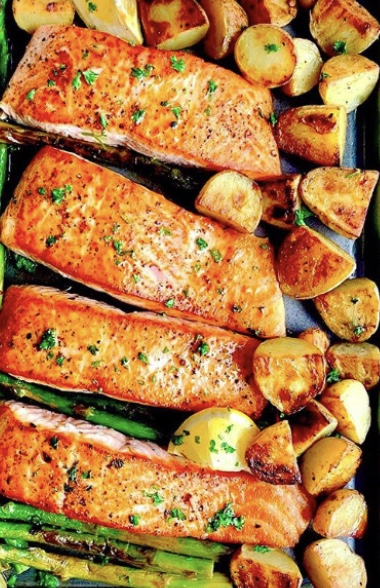
Celtic Salmon

Certainly! Here’s a recipe for “Celtic Salmon with Herbed Potatoes”:

Ingredients:

For the salmon:

  • 4 salmon fillets
  • 2 tablespoons olive oil
  • 2 tablespoons honey
  • 1 tablespoon wholegrain mustard
  • Juice of 1 lemon
  • Salt and pepper, to taste

For the herbed potatoes:

  • 4 large potatoes, peeled and diced
  • 2 tablespoons butter
  • 2 tablespoons chopped fresh dill
  • 2 tablespoons chopped fresh parsley
  • Salt and pepper, to taste

For the roasted vegetables:

  • Assorted seasonal vegetables (e.g., carrots, Brussels sprouts, parsnips), cut into bite-sized pieces
  • 2 tablespoons olive oil
  • 1 teaspoon dried thyme
  • Salt and pepper, to taste

Instructions:

  1. Preheat your oven to 200°C (400°F).
  2. In a small bowl, whisk together the olive oil, honey, mustard, lemon juice, salt, and pepper to make a marinade for the salmon.
  3. Place the salmon fillets in a shallow dish and pour the marinade over them. Make sure the salmon is coated evenly. Set aside to marinate for 10-15 minutes.
  4. Meanwhile, prepare the herbed potatoes. Boil the diced potatoes in salted water until tender. Drain and return them to the pot. Add the butter, dill, parsley, salt, and pepper. Mash the potatoes until smooth and well combined. Keep warm.
  5. Toss the assorted vegetables with olive oil, dried thyme, salt, and pepper. Spread them on a baking sheet in a single layer. Roast in the preheated oven for 20-25 minutes or until golden and tender.
  6. While the vegetables are roasting, heat a large skillet over medium-high heat. Remove the salmon fillets from the marinade, allowing any excess marinade to drip off. Place the salmon, skin-side down, in the hot skillet. Cook for 3-4 minutes per side until the salmon is cooked through and nicely browned. Remove from heat.
  7. Serve the pan-seared salmon over a bed of herbed mashed potatoes alongside the roasted vegetables. Garnish with additional fresh herbs, if desired.

This recipe brings together the rich flavors of Celtic cuisine, with the tender and flaky salmon complemented by herbed potatoes and roasted vegetables. Enjoy your delicious Celtic-inspired meal!